Innovative restoration project armours rural riverbank
Located 120 kilometres inland from the port city of Gladstone, the central Queensland town of Biloela exudes a charm synonymous with outback Queensland.
Affectionately referred to as ‘Bilo’, the busy commercial and tourist centre is home to the Queensland Heritage Park, the historic Greycliffe Homestead, and ancient dinosaur footprint fossils.
As the administrative hub of Banana Shire, Biloela also plays a key role in supporting local economic activity underpinned by agriculture and mining.
The region’s healthy agricultural sector is based on cattle farming, crops like cotton, sorghum and wheat, and herbs and spices.
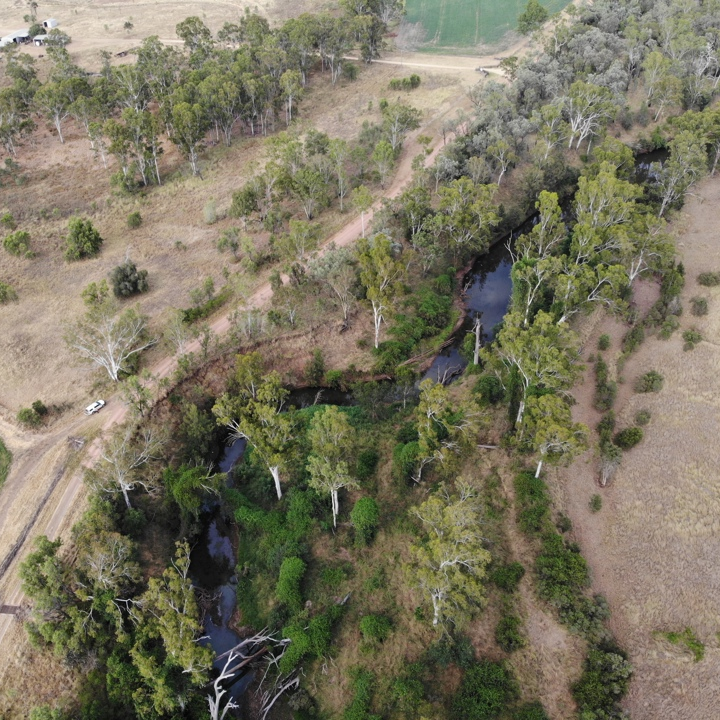
Local farmers rely on Don River, a major tributary of the mighty Dawson River, as a vital water source for their businesses, while for the local community the Don is a popular spot for fishing, red claw crabbing and outdoor recreation.
Adjacent to the Don River is Kellys Road, an unsealed rural connector that's vital to the region’s economic activity and employment.
Kellys Road allows local businesses and industries to move goods and people throughout the region.
Farmers, graziers, and big employers in the region such as Callide Mine and the local CS Energy power station rely on the road for safe access to and from Biloela.
That link was broken when massive floods impacted the region in late 2023 and early 2024, causing extensive damage to Kellys Road.
Raging floodwaters from the Don River triggered severe scouring of the road and a partial collapse of the riverbank
Due to the level of damage, which ruled out a quick fix, Banana Shire Council resolved to find a permanent geotechnical solution for the reconstruction of Kellys Road.
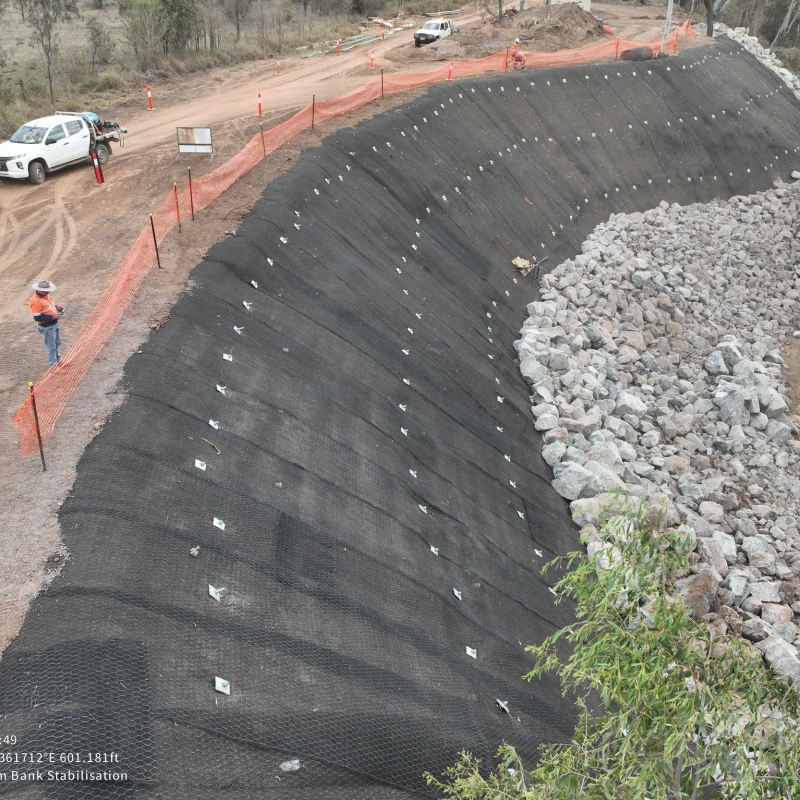
The result combined streambank stabilisation using rock armouring with geomatting and soil nails to secure the existing bank profile.
Doing this meant Kellys Road could retain its alignment without the prospect of being washed into Don River.
Stability of the road is now guaranteed in dry and wet conditions, providing safety for local motorists in all types of weather.
This $8 million project commenced in August 2025 and was completed within three months, on time and under budget.
Restoration works were funded by the Australian and Queensland Governments through the joint Commonwealth-state Disaster Recovery Funding Arrangements (DRFA).